
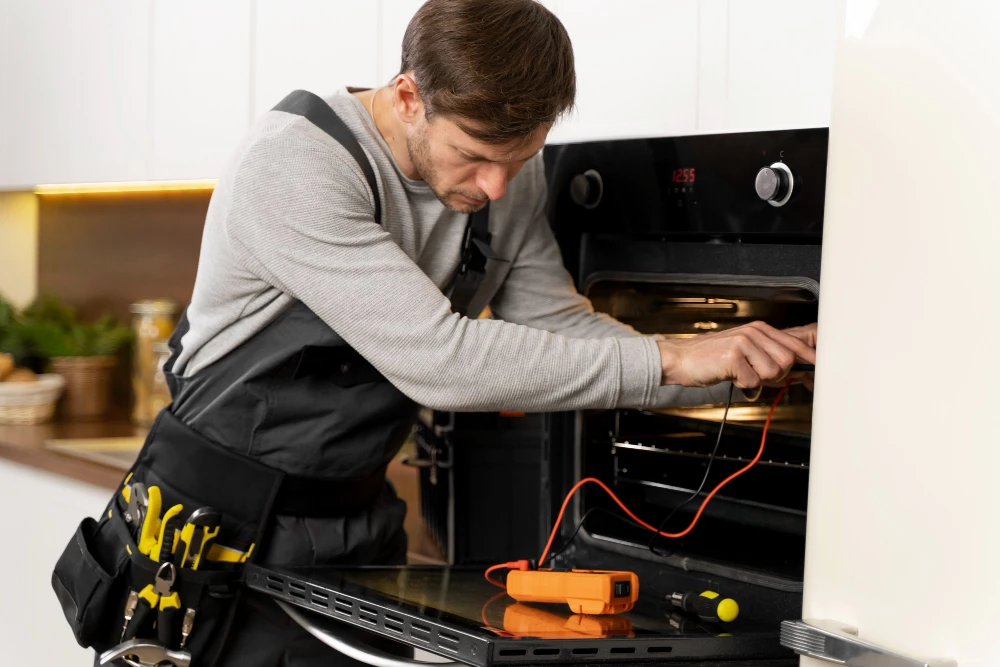
PAT Testing
Contact UsAt Watts Electricalea, we specialise in PAT testing, ensuring that electrical appliances are safe and compliant with UK standards. Our service involves a thorough examination of your electrical equipment using specialised testing devices.
PAT testing is critical in preventing electrical hazards, and we cater to a wide range of environments, from offices to industrial settings. Covering and the surrounding postcode area, we are your trusted partner for electrical safety.
What Is PAT Testing?
PAT testing, or Portable Appliance Testing, is the examination of electrical appliances and equipment to ensure they are safe to use. At Watts Electricalea, we provide PAT testing to identify potential electrical faults that could lead to accidents.
Our testing process includes visual inspections and electrical safety tests with precision equipment such as multimeters and insulation resistance testers. This service helps maintain safety standards in businesses and homes, identifying risks like earth continuity errors and insulation failures before they become issues.
We adhere to the IET Code of Practice, ensuring compliance with regulations. Commonly tested items include kettles, computers, and power tools.
Commercial properties, such as offices and workshops, benefit from regular testing, typically every one to two years, to meet health and safety obligations.
Get in touch to ensure your premises are safe and compliant.
What Types of PAT Testing Are Available?
We offer various types of PAT testing to suit different environments and requirements. Our services include:
Visual Inspection: Checking for visible signs of damage or wear in cables and plugs. This is often done before more technical tests to ensure obvious issues are addressed.
Earth Continuity Test: Ensuring the appliance's earth is correctly connected. This helps prevent electrical shocks in case of a fault. We use calibrated continuity testers to measure resistance, conforming to BS EN 61557 standards.
Insulation Resistance Test: Checking the insulation of the appliance to prevent electrical leakage. Typically, we apply a voltage of 500 V to test electric resistance, which should be above 1 MΩ.
Testing of Leads: Assessing the safety and compliance of socket leads. We ensure they meet the IEE Code of Practice specifications.
Our PAT testing services cater to offices, schools, landlords, and industrial sites. Choose the right type of PAT testing for your needs by consulting with our experienced team today.
What Does PAT Testing Cover?
PAT testing includes a diverse array of electrical appliances to ensure their safety and functionality. At Watts Electricalea, we test devices such as computers, printers, kettles, microwaves, drills, and welding equipment.
Our testing process involves several key steps: visual inspection, earth resistance testing, insulation resistance testing, and functional checks. We use portable appliance testers that comply with the IET Code of Practice to guarantee safety standards.
Tests are conducted annually or more frequently in environments with increased risk factors, such as construction sites and kitchens. Homes, schools, and offices all benefit from PAT testing to prevent electrical hazards.
It is important to note that PAT testing does not cover fixed installations, such as lighting circuits or wired-in machinery.
Contact us to find out more about our thorough testing services.
When Is PAT Testing Needed?
PAT testing is needed regularly to maintain electrical safety standards. The Electricity at Work Regulations 1989 highlight the importance of maintaining electrical systems safely, and PAT testing is a key practice in achieving this.
Businesses are encouraged to schedule PAT testing annually as part of their health and safety compliance, which aligns with ISO 9001 standards for quality management. It is particularly important after any maintenance or repair work to identify any potential electrical hazards that may have been introduced.
Additionally, landlords are advised to test appliances between tenancies to ensure tenant safety and comply with the Landlord and Tenant Act 1985. PAT testing is beneficial in environments with high equipment usage, such as offices, schools, and medical facilities, where equipment integrity is crucial.
Prevent accidents and ensure safety by arranging your PAT testing today.
How Does PAT Testing Work?
Our PAT testing process involves several steps, each crucial for ensuring your electrical appliances are safe and compliant with health and safety regulations. We conduct tests using calibrated testers that meet British Standards BS EN 61557.
Visual Inspection: We start with a physical check of the appliance and its connections, looking for signs of damage, wear, or incorrect wiring.
Earth Continuity Testing: Ensuring the earth connection is secure helps prevent electric shocks, particularly in class I appliances.
Insulation Resistance Testing: Checking the insulation for any deterioration helps identify potential electrical leakages that could pose a risk.
Functional Checks: Verifying the appliance operates correctly after testing ensures it is safe and fit for purpose.
Additionally, we label each tested appliance with a unique identification number, test date, and the next scheduled test date. This systematic approach ensures that each appliance is compliant and safe for use.
Reach out to us to schedule your PAT testing.
How Long Does PAT Testing Take?
PAT testing typically takes around 15 to 30 minutes per appliance, depending on the complexity and condition of the items. For instance, testing a simple electrical kettle is quicker compared to a more intricate piece of machinery like an industrial sewing machine, which may have various electrical components.
Larger or more complex equipment may extend the time required due to the need for thorough inspection and testing using a variety of tools including insulation testers and earth bond testers.
We follow the IET Code of Practice, ensuring each appliance is carefully checked for safety compliance. Testing may need to be repeated more frequently in high-use environments, such as commercial kitchens or workshops, where wear and tear occur more rapidly.
For offices, testing intervals might be every 12 months, while construction sites may require more frequent checks.
Contact us to discuss your specific needs, receive precise timings, and plan your PAT testing conveniently.
Who Needs PAT Testing?
PAT testing is essential for a wide range of clients including businesses, landlords, schools, and hospitals. Any organisation using electrical equipment, from desktop computers to industrial machinery, needs regular PAT testing to ensure compliance with safety standards such as the Electricity at Work Regulations 1989.
Regular inspections feature the use of various tools such as insulation resistance testers and earth continuity testers. We often conduct visual inspections followed by more detailed examinations to detect potential risks such as frayed cables or overheating plugs.
Residential clients can also benefit from this service, especially in multi-occupancy dwellings or properties fitted with numerous electrical appliances, helping maintain a safe environment. By ensuring equipment is routinely inspected and tested, we aid in minimising the risk of electrical fires and associated hazards.
Our skilled team is here to help assess your needs, scheduling testing times that minimise disruption to your operations.
How Much Does PAT Testing Cost?
PAT testing costs from around £1 to £3 per appliance, depending on the number of items and complexity of the work. Larger quantities of appliances often qualify for discounted rates.
We use specialised equipment such as portable appliance testers to ensure compliance with the latest IET Code of Practice for In-service Inspection and Testing of Electrical Equipment. We also consider the testing frequency needed in certain industries, like education and healthcare, where safety regulations are more stringent.
Our technicians are certified to assess the condition of various types of equipment, including IT devices and heavy-duty machinery, ensuring they meet required safety standards. To provide an accurate quote, we consider factors such as location and specific testing requirements.
Request a detailed quote for our PAT testing services today.
What Are the Benefits of PAT Testing?
PAT testing offers numerous benefits for safety and compliance.
Ensuring the safety of electrical appliances is critical, and PAT testing identifies potential hazards such as faulty wiring or damaged plugs. We follow the Institute of Electrical Engineers (IEE) guidelines, which detail inspection intervals based on appliance type and usage.
Testing typically involves visual inspections, earth continuity tests, and insulation resistance measurements.
Legal compliance is another crucial benefit. Employers are required by the Electricity at Work Regulations 1989 to ensure that electrical systems are safe to prevent harm.
We assist businesses, from offices to industrial facilities, in meeting these regulatory obligations.
Regular testing also reduces liability by addressing potential points of failure before they become consequences, thus minimising the risk of electrical accidents. Additionally, PAT testing helps maintain operational efficiency by ensuring that appliances function at their best, lowering the chances of unexpected downtime and costly repairs.
Contact our team to learn more about the advantages of PAT testing for your organisation.
What Regulations Apply to PAT Testing?
PAT testing must comply with UK Health and Safety at Work regulations and the Electricity at Work Regulations 1989. These laws mandate that electrical equipment must be maintained safely, ensuring no risk of harm to users and no interruptions in business operations.
Regular PAT testing is a vital part of this compliance, providing documented evidence of safety checks.
We follow the IEE Code of Practice for In-service Inspection and Testing of Electrical Equipment, which offers guidelines on inspection frequencies and testing procedures. Our PAT testing process includes visual inspections and combined electrical tests.
This covers earth continuity, insulation resistance, and polarity checks using calibrated PAT testers. We evaluate various equipment types, from office electronics and kitchen appliances to industrial machinery, in sectors such as hospitality, healthcare, and manufacturing.
Compliance certificates are issued post-testing, valid for twelve months, and can assist in insurance claims. For compliance assistance and testing schedules, contact us today.
Why Choose Watts Electricalea for PAT Testing?
Watts Electricalea is your reliable partner for PAT testing. We conduct each Portable Appliance Test using calibrated testers to meet or exceed the latest Institute of Engineering and Technology (IET) Code of Practice standards.
Our experienced technicians are adept at identifying potential hazards, including faulty wiring and insulation failures, that might otherwise go unnoticed. We specialise in serving diverse sectors such as schools, offices, construction sites, and retail establishments, ensuring compliance with Health and Safety Executive (HSE) regulations.
Our systematic approach includes visual inspections and earth continuity tests, ensuring both the equipment's safety and optimal performance. With comprehensive reporting and maintenance schedules, we empower businesses to uphold safety standards, preventing costly electrical failures.
Our reputation for reliability and accuracy makes us the top choice. Contact us to discuss how we can ensure your electrical safety.
Frequently Asked Questions
Is PAT testing required by law?
While not legally required everywhere, PAT testing helps ensure compliance with safety regulations, particularly under the Electricity at Work Regulations 1989.
Can PAT testing be done on all appliances?
PAT testing is suitable for most electrical appliances with a plug. However, fixed installations are excluded from this process.
What happens if an appliance fails PAT testing?
If an appliance fails, it must be repaired or replaced before further use to ensure safety and compliance.
How do I prepare for a PAT testing appointment?
Ensure access to all appliances needing testing and that they are unplugged and readily available for our technicians.
Get a Free Quote for PAT Testing
Contact Watts Electricalea today to arrange PAT testing for your appliances. Our expert team is ready to ensure your electrical safety.